Honda’s displayed its concept Riding Assist motorcycle model at CES, today. It can help motorcycles maintain balance while traveling at low speed, something particularly tricky for even experienced drivers. These motorcycles will leverage Honda’s Asimo Articulated Movement Intelligence, the same programming that makes a bot walk, dance, kick; even strut like Tony Manero.
For more on this concept bike and Asimo click here for the TechCrunch post.
Your business travels force you to use another PC’s browser, one different from your beloved browser, Google Chrome. That’s when realize you no longer recall your password for fantasyNFL.com.
Sure you can click ‘Forget My Password’ but do you really want to be tasked with inventing yetanother password?
Here’s how you can uncover your own dirty little password secrets from Chrome.
To Display a Website’s Saved Password Using Chrome
Open your Chrome Browser.
Click Menu at upper right and select Settings. The Settings page will open in a new tab.
In the search window (top right) type passwords. The page will filter to display password options.
Click Manage passwords.
Click on a site, then click Show.
Enter your Windows password and click OK to reveal that site’s password.
Note: you can access this information also on your mobile at passwords.google.com
Locate the image to serve as bullet and save to a local drive.
Tip: for best results, seek medium or small sized images with transparency (i.e. PNG, GIF).
Select your list, then, on the Home tab, click Bullets to format with default bullet style.
Place cursor on blank line, click Insert and then Picture. Navigate to your custom bullet image and click Open.
Using the corner selection handle resize the image to an appropriate size.
Click + drag image onto one of the bullets in your list; you’ll recognize you’ve hit the target when the bullet area turns grey.
The growth autonomous vehicles suggests that car drivers have lost of zeal of driving cars. And who can blame us; sitting in traffic on the 101; refereeing a backseat spate between siblings, parallel parking. None of these activities amount to the ZoomZoom we associate (or would like to associate) with driving. Car driving is more chore than a recreation. We like to envision the joy of ‘the open road’ experience as similiar sailing the open seas. However, the pothole congested reality of it is you experience is less sailboat, and more schoolfish..mirthlessly following the other fish..in a dull and narrow stream
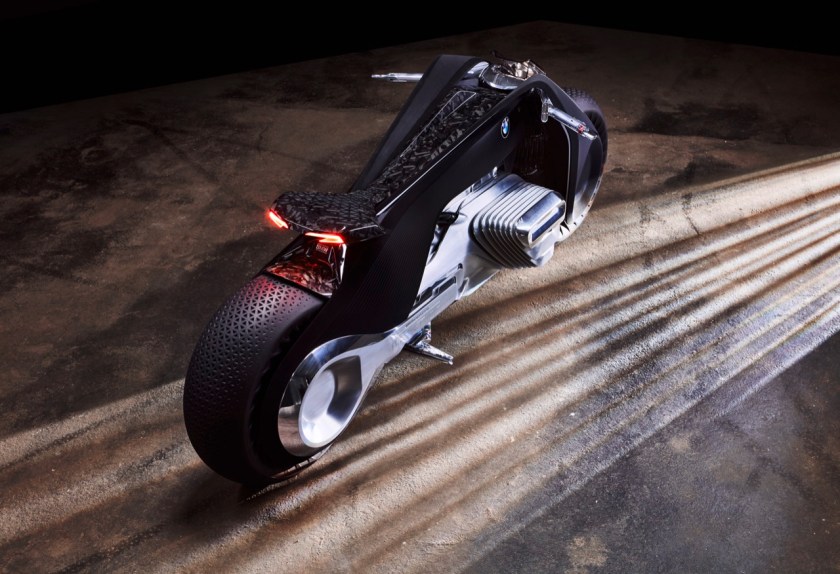
Motorcycles, conversely, have always been about the thrill of the ride. The experience begs and rewards independent control. Traffic? So what? Watch that biker cut between lanes like 660 horsepowered knife through butter. Freedom? Certainly more so than their quad-wheeled cousins. But is it safe? Well, there is a reason why helmets are required, and other protection strongly advised. Into this valley between safety and freedom, enters BMW’s vision of future of motorcycling.
Artificial Intelligence = Autonomy, Safety & Sexy* *Although Safe-Autonomous-Sexy makes for a better acronym
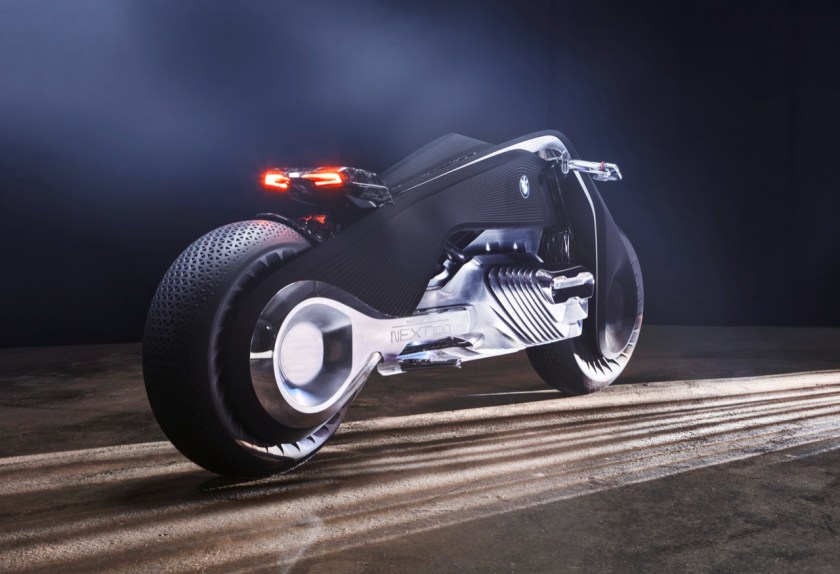
BMW’s new concept motorcycle merges some driver assist safety features with a cool sleek sexy look, sure to turn heads.
Welcome the zero-emission, electric powered smartbike of the future; The Motorrad Vision Next 100. This bike’s smart systems will anticipate the road ahead and offer the rider guidance on what to do to manage incident avoidance and can even step in and take over if necessary. The self-balancing system is designed to prevent tip-over both while in motion as well as when standing still.
Helmet? Shmelmet!
A ride this safe has little need for a helmet (what!?). Replacing that clunky piece of hardware is a lightweight visor.
This visor not only serves as a windshield, but also overlays important information on the HUD, like anticipated twists and turns, traffic, nearest Wendy’s.
This is a long way from drawing board to road, and no word yet on pricing.
First it was your bank account, now it’s your data.
In the wake of the 2014 Snowden revelations about mass surveillance programs, startups with concerns about overreaching government requests for user data settled on Switzerland as a base for their business, drawn to its perceived favorable privacy laws.
They may need to look elsewhere.
Sunday, Swiss citizens approved granting the government the power to lawfully hack into computers, install malware, tap communications (i.e. phone, and internet) and to install hidden cameras in private locations in order to gather data. Said ‘hacking’ to be done in the name of National Security and to be exercised with restraint.


 . That’s when realize you no longer recall your password for
  at upper right and select Settings. The Settings page will open in a new tab.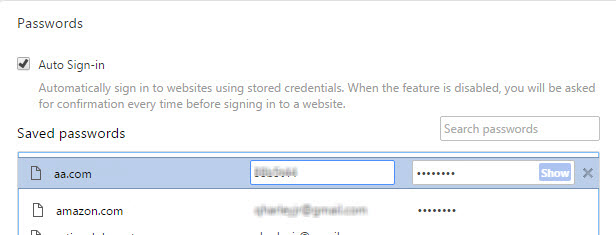

 Jazz up your bulleted list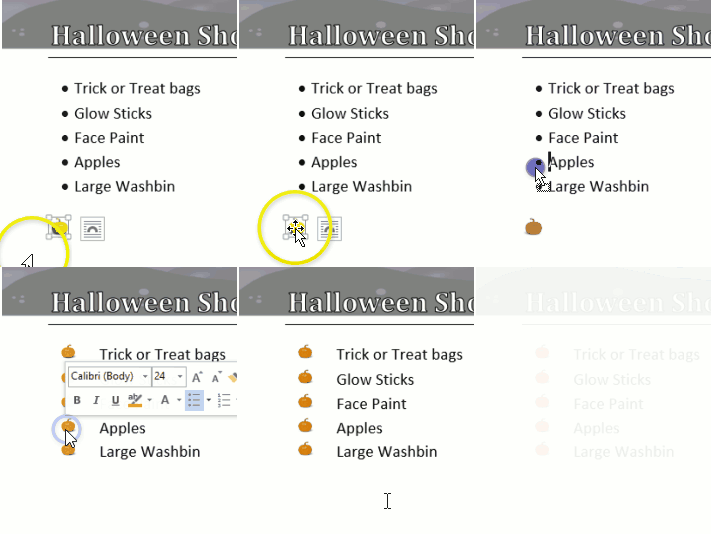


 Ask Quincy